“The Christianity Africa Received vs. The Christianity Africa Needs; A Human Rights Perspective on Faith, Justice, and Africa’s Future”
Published on December 21, 2025
“When the missionaries came, they had the Bible and we had the land… when we opened our eyes, they had the land and we had the Bible.” Desmond Tutu
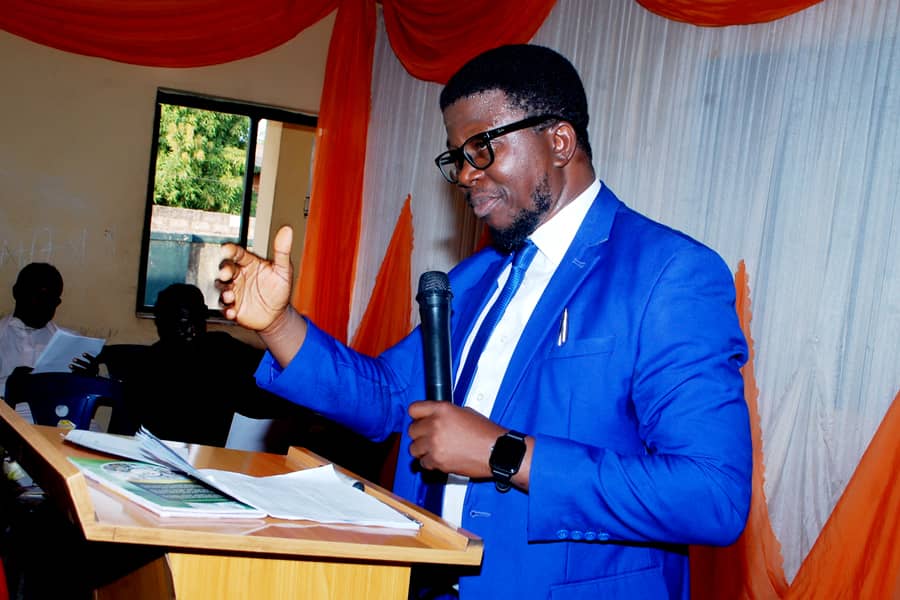
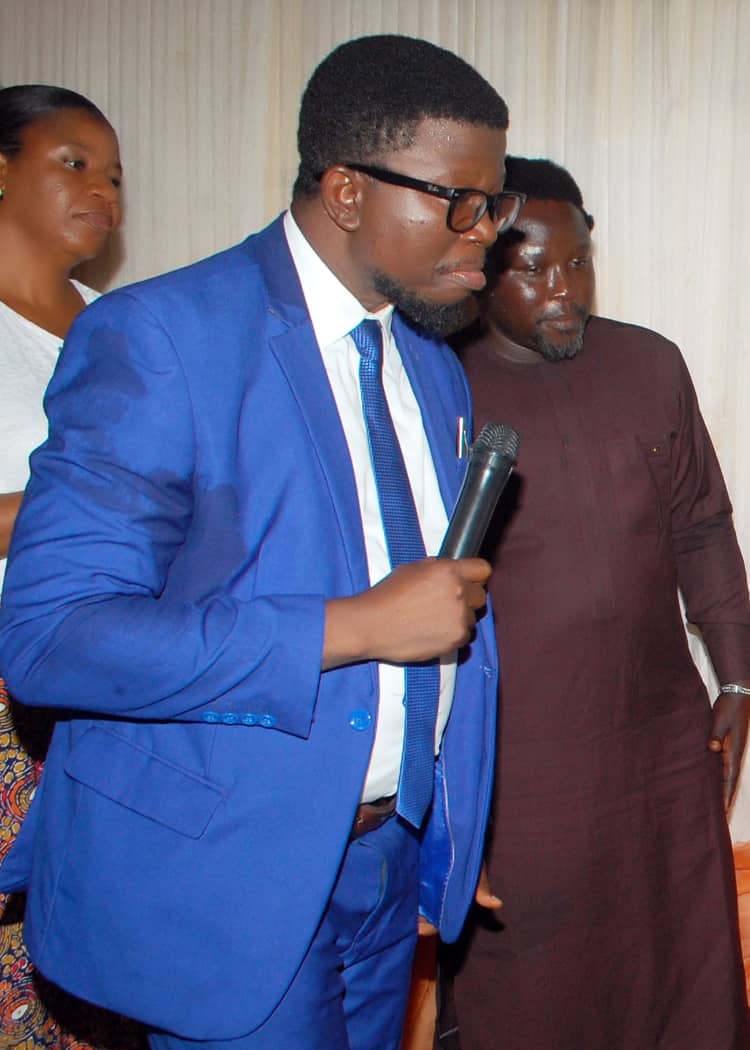
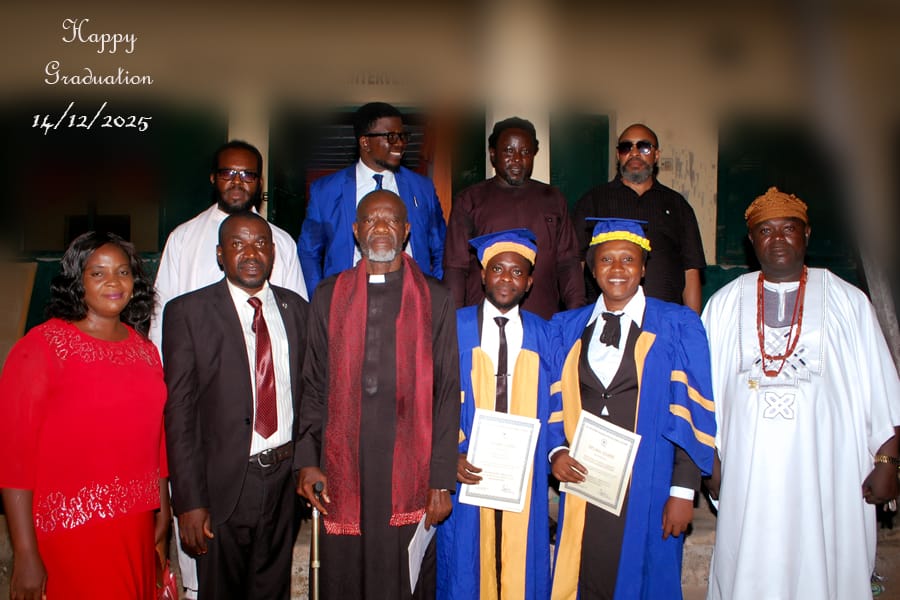
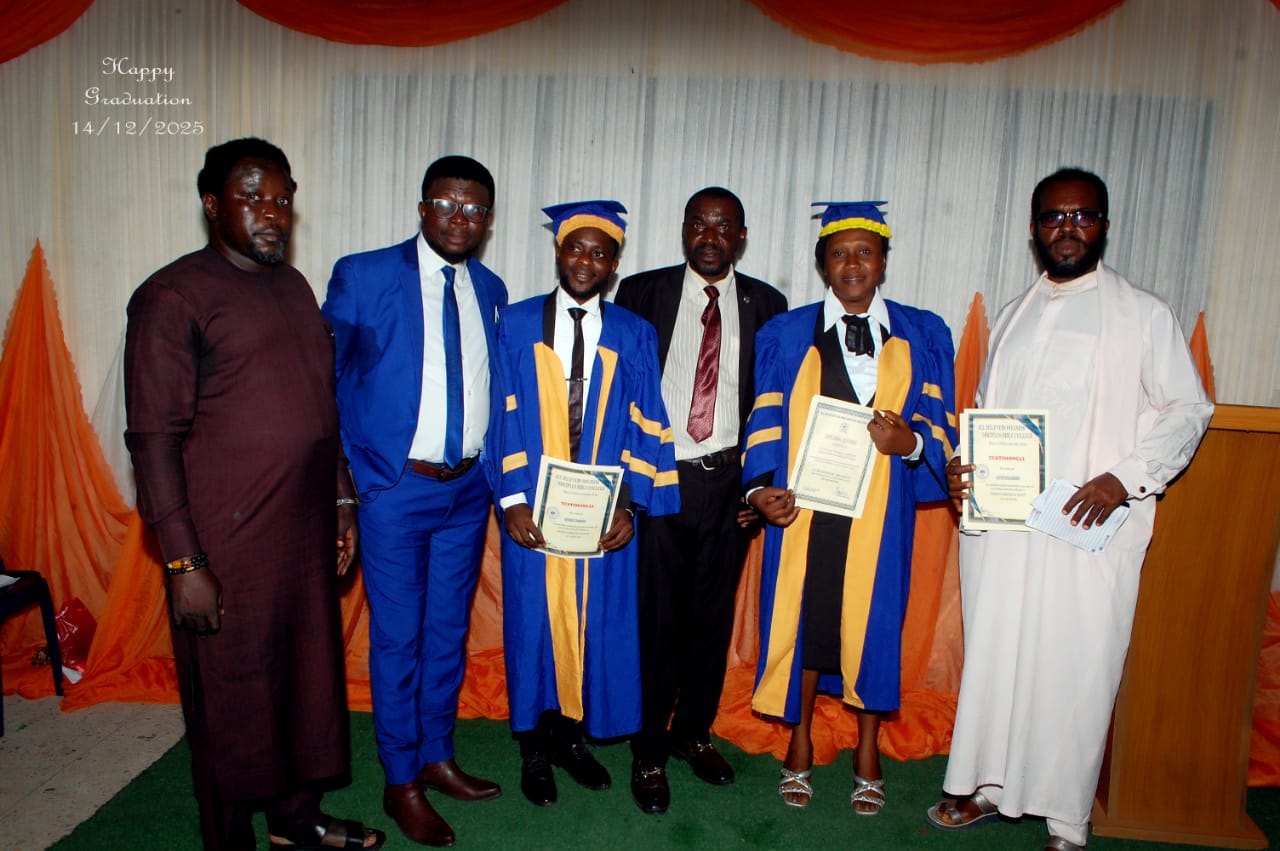
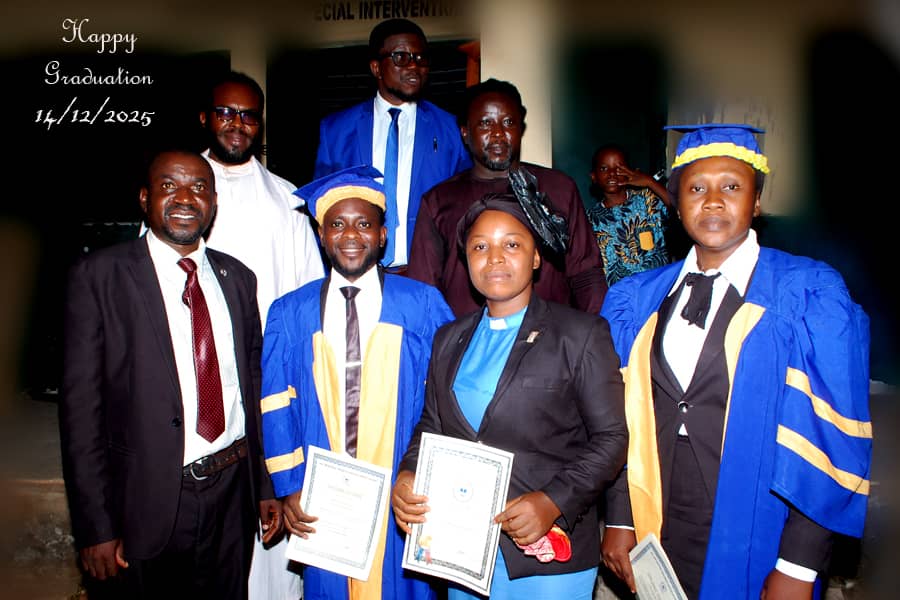
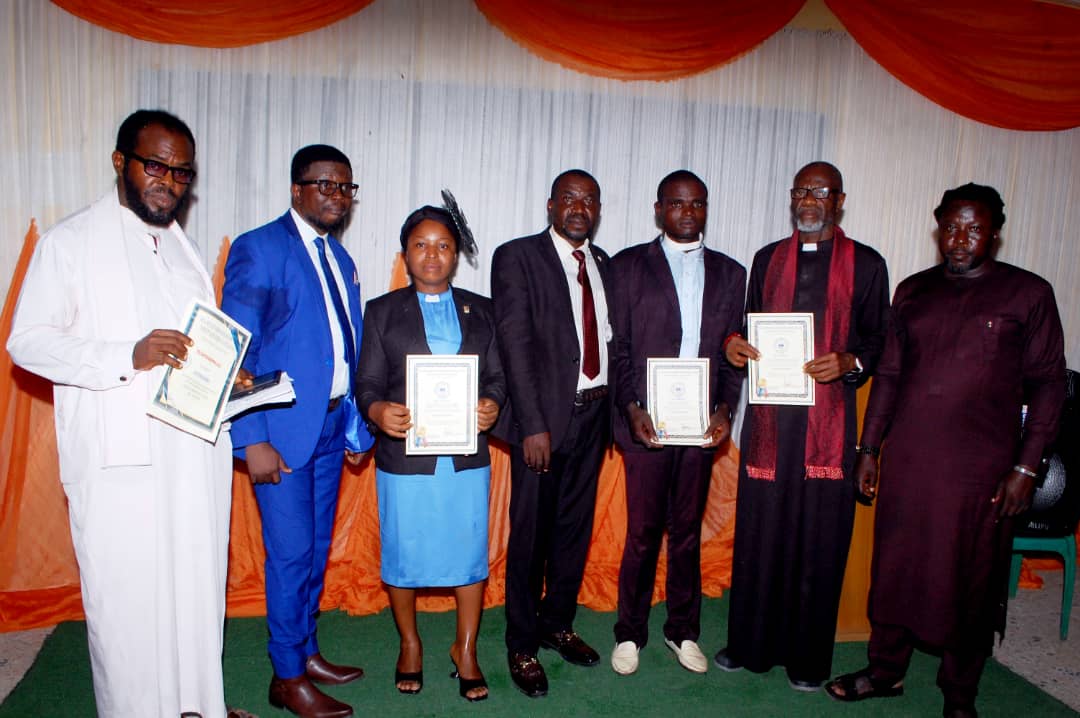
This paper is based on a Graduation and Ordination lecture delivered by Comrade Uchenna Umez, who served as Guest Lecturer at a renowned Bible College in Nasarawa State—fully aware that Umez does not subscribe to the two dominant religions in Nigeria (Islam & Christianity)—thereby demonstrating a commendable spirit of mutual respect, intellectual openness, religious tolerance, and commitment to dialogue, on 14 December 2025 at LEA School, Lafia, titled ‘The Christianity Africa Received vs. The Christianity Africa Needs.’
Africa is arguably the most religious continent in the world. Christianity alone commands hundreds of millions of adherents across the continent. Yet Africa also bears a disproportionate burden of poverty, insecurity, corruption, gender inequality, youth unemployment, and violent conflict. This paradox forces an urgent question that human rights advocates cannot ignore: Has the Christianity Africa received contributed to human dignity and liberation—or has it often coexisted comfortably with injustice?
This question formed the core of my recent graduation and ordination lecture at All Believers Holiness Disciple Bible College, Lafia, and I believe it is one that deserves broader public reflection beyond ecclesiastical spaces.
Christianity and the Human Rights Question in Africa
From a human rights perspective, religion is never neutral. It can either empower people to resist oppression or pacify them into submission. Historically, Christianity in Africa arrived not in a vacuum, but alongside colonial expansion, economic exploitation, and political domination. The gospel was often preached under the shadow of imperial power, creating a version of faith that emphasized obedience, endurance of suffering, and hope in the afterlife—sometimes at the expense of justice in the present.
Archbishop Desmond Tutu’s famous reflection captures this contradiction poignantly:
“When the missionaries came, they had the Bible and we had the land… when we opened our eyes, they had the land and we had the Bible.”
Whether literal or symbolic, this statement highlights how Christianity was frequently detached from African agency, culture, and socio-economic justice. From a human rights standpoint, any faith tradition that ignores land dispossession, forced labour, racial hierarchy, and political exclusion becomes complicit in their continuation.

Scripture Used Against Human Dignity
One of the most troubling legacies of received Christianity is the selective use of scripture to legitimize oppression. During apartheid, the Dutch Reformed Church invoked biblical texts to justify racial segregation. Elsewhere, verses emphasizing submission were weaponized against enslaved Africans, women, and the poor.
Yet the broader biblical narrative is unmistakably justice-oriented. Isaiah calls believers to “seek justice, correct oppression.” Jesus announces his mission as bringing “good news to the poor” and “freedom for the oppressed.” Galatians insists on human equality across ethnic and social divides.
From a human rights lens, the misuse of scripture represents not theology, but ideology—religion pressed into the service of power.
African Resistance and the Right to Spiritual Self-Definition
African resistance to imposed Christianity has deep roots. Figures like Dona Beatriz Kimpa Vita in the Kingdom of Kongo attempted to articulate a Christianity that affirmed African identity and dignity. Her execution for “heresy” reveals how dangerous it was for Africans to claim theological agency.
Human rights include the right to cultural and religious self-expression. A Christianity that denies African history, aesthetics, and moral wisdom undermines this right and produces generations of believers alienated from their own identity.
Castle Christianity, Islamic Conquests, and Moral Contradictions
Few symbols expose Christianity’s historical contradictions more starkly than Elmina Castle and the Cape Coast Castle, where Christian chapels stood directly above dungeons that held enslaved Africans awaiting the Middle Passage. Worship above suffering. Prayer above chains. These sacred spaces coexisted with unspeakable human cruelty beneath them, revealing a devastating moral dissonance. This phenomenon, often described as “castle Christianity,” reflects a faith detached from lived reality—one that prioritized ritual over responsibility and piety over protest. From a human rights standpoint, such a religion violates the principle that human dignity is indivisible. Faith that does not confront suffering, injustice, and dehumanization becomes not merely inadequate, but morally hollow.
Similarly, parts of Africa, especially Nigeria, experienced the Islamic conquests and expansion of Arab trade networks, which involved the capture and transport of millions of Africans to the Arabian Peninsula over centuries. Many were enslaved, coerced into labor, or separated from their communities and families. While Islam and Christianity brought religious, cultural, and intellectual influences to the continent, these forced migrations highlight another historical intersection of religion and human rights violations. Together, these experiences—both European “castle Christianity” and the trans-Arabian slave movements—illustrate how imported religious systems, when entangled with power and exploitation, often compromised African dignity, freedom, and socio-political agency.
Silence, State Formation, and Ongoing Injustice
In territories like my country Nigeria, colonial economic interests—exemplified by the Royal Niger Company—shaped modern state structures. Churches present during these processes largely failed to challenge exploitative systems. That silence echoes today in weak governance, economic inequality, and violent insecurity.
A human rights–oriented Christianity cannot remain silent in the face of corruption, banditry, terrorism, or systemic poverty. Prayer without advocacy, and worship without accountability, leave injustice intact.
Prosperity Theology and the Erosion of Social Responsibility
Contemporary African Christianity is increasingly dominated by prosperity theology, which individualizes success and spiritualizes wealth. While hope is vital, this theology often shifts attention away from structural injustice, policy failure, and collective responsibility.
From a rights perspective, this weakens civic engagement and allows political elites to evade accountability while citizens are taught to “pray it away.”
Apologies, Reparations, and the Ethics of Restorative Justice
Recent apologies by Christian institutions for their role in slavery and colonialism are important, but apologies alone are insufficient. Human rights demand truth, restitution, and structural reform.
Encouragingly, some churches have begun reparations initiatives, acknowledging that reconciliation must be material as well as spiritual. This aligns with biblical principles of restitution and international norms of restorative justice.
The Christianity Africa Needs
My argument isn’t that Africa needs less Christianity and Islam. All I’m advocating is that, Africa needs better Christians and better Muslims.
From a human rights standpoint, the Christianity Africa needs must be:
• Contextual – rooted in African realities, cultures, and histories
• Prophetic – boldly confronting injustice, corruption, and violence
• Educative – producing critical thinkers, not passive followers
• Engaged – active in community development, peace-building, and policy advocacy
• Liberating – restoring dignity, agency, and hope in tangible ways
Faith must move from the pulpit to the public square, from miracles to movements, from sermons to systems.
A Call to Conscience
Religion remains one of the most powerful social forces in Africa. Whether it becomes a tool for liberation or a shield for injustice depends on how it is taught, practiced, and lived. And pursuant to Article 18 of the Universal Declaration of Human Rights, UDHR; article 8 of the African Charter on Human and People’s Rights, ACHPR; section 38 of the Constitution of the Federal Republic of Nigeria, which provides among other things, for the rights to freedom of religion, conscience and thoughts, hence, the need for the exercise of this sacred freedom for the development of our Continent. Anything less is an abuse.
At HURRAFORUM, we insist that faith and human rights are not enemies. At their best, they are allies. Christianity, when aligned with justice, truth, and human dignity, can become a transformative force for Africa’s emancipation.
Africa is waiting—not for louder prayers alone, but for courageous believers who will defend the oppressed, challenge power, and translate faith into freedom.
Comments
December 25, 2025
A thought -provoking presentation - kudos to you. Kindly discuss same issue from Islamic perspective.
Leave a Comment